Hi, 3 Guys BBQ. I appreciate you taking the time.
My name is Joshua. I’ve spent most of my life working across design, advertising, restaurants, kitchens, bars, and just about every other creative environment I could find my way into. I recently started a small independent business helping restaurants like yours get professional-looking food images without the cost and hassle of a traditional photoshoot.
Normally, getting this kind of imagery means hiring a photographer, scheduling a shoot, preparing every dish, and finding the time and money to make the whole production happen. I do things differently. I work with the food photos you already have and use my background in design, food, and advertising to turn them into polished, customer-facing images for delivery platforms and online ordering.
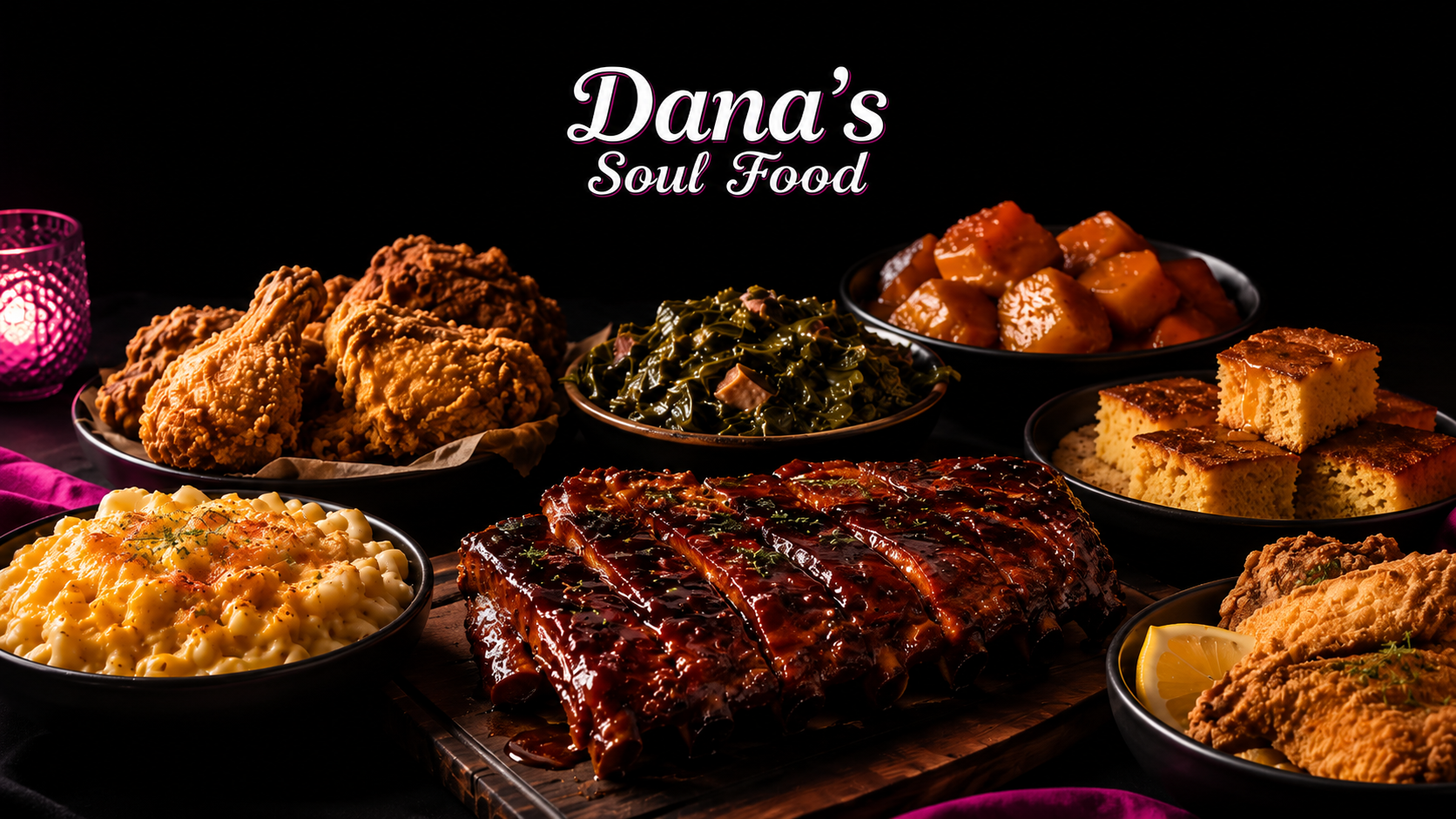
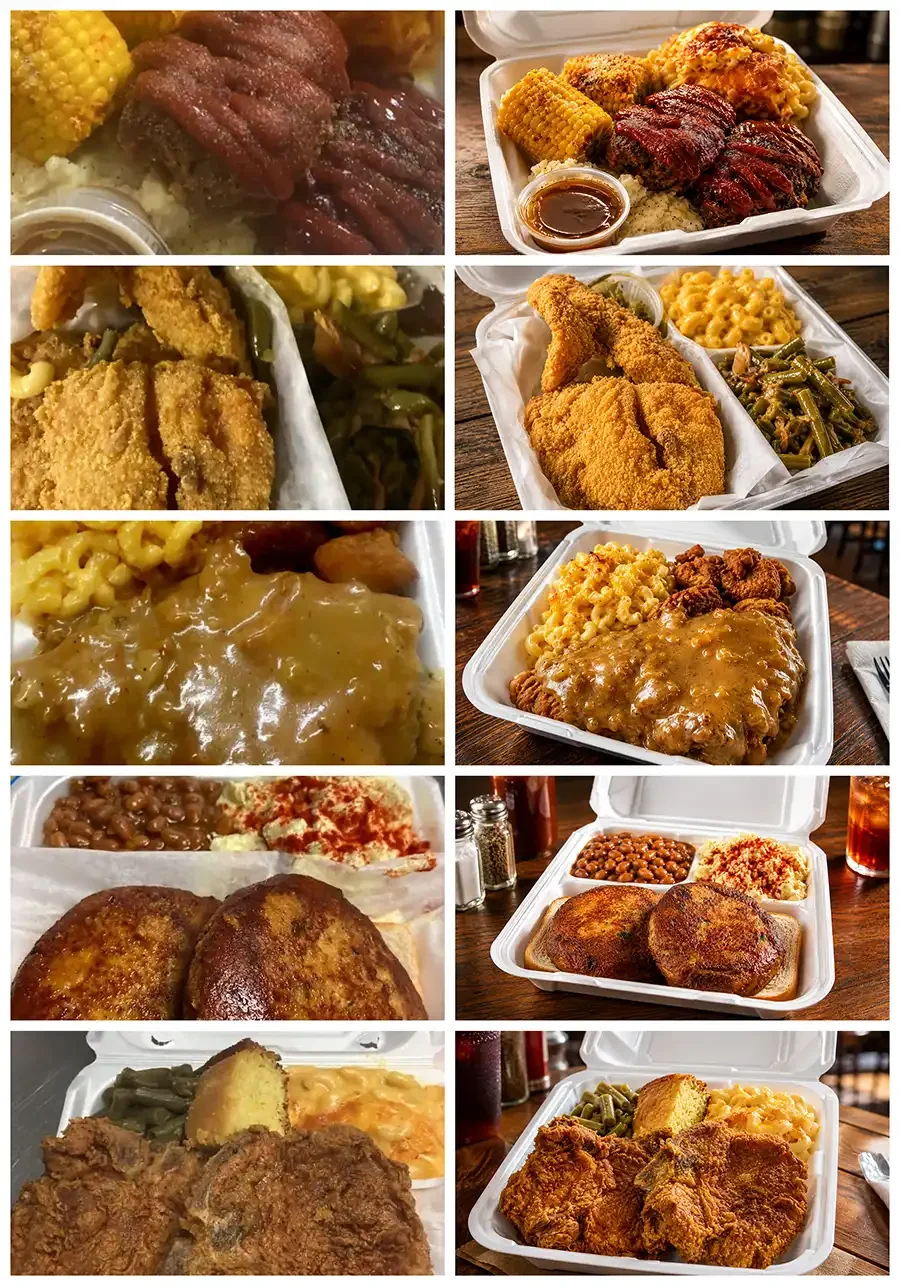
I put this page together using a few of Dana’s existing photos so you can see what I mean using your own food, not a generic portfolio filled with work for someone else. Take a look through the examples below and compare them with the images currently representing Dana’s online. That’s really all this page is here to show you.
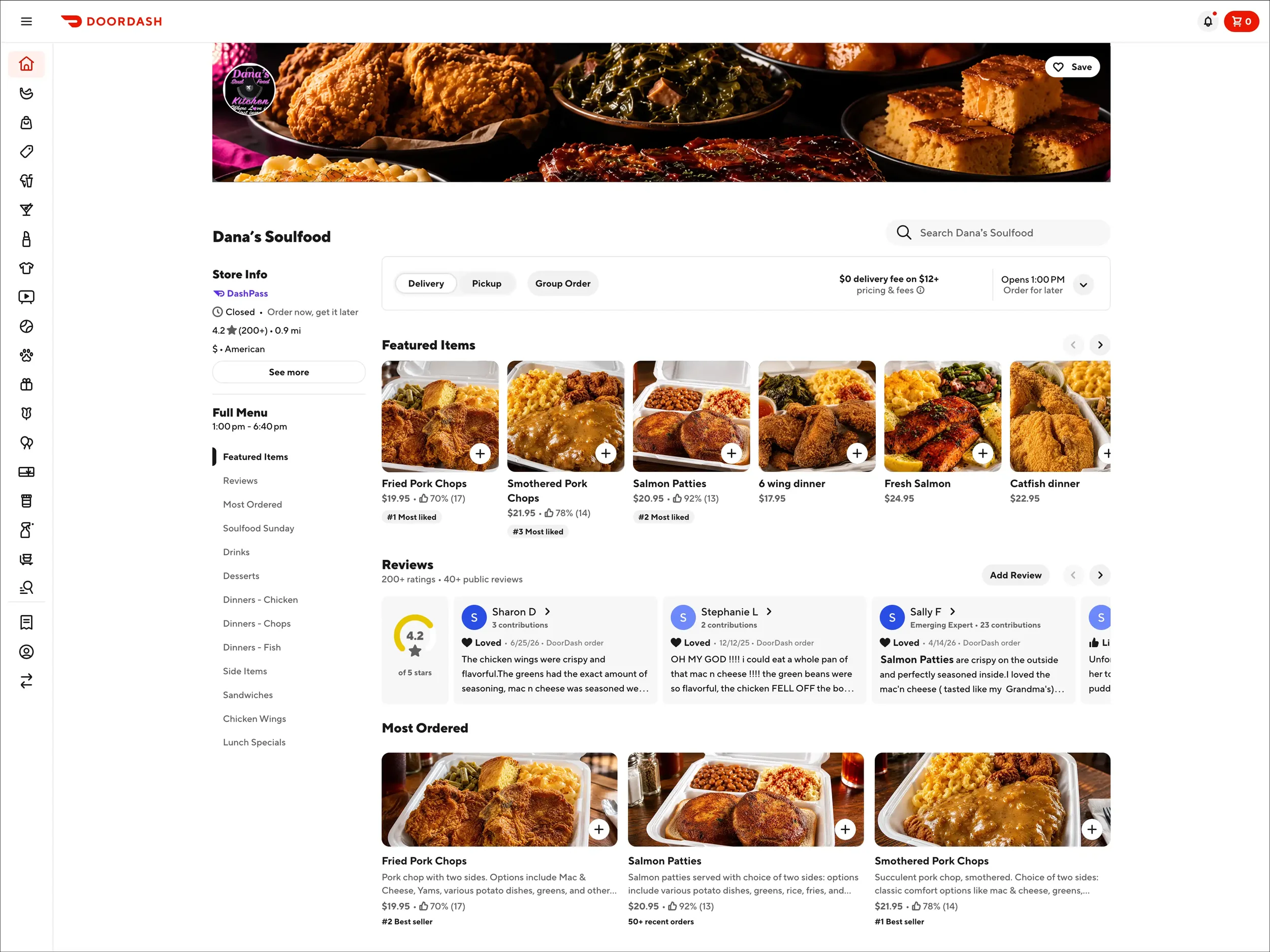
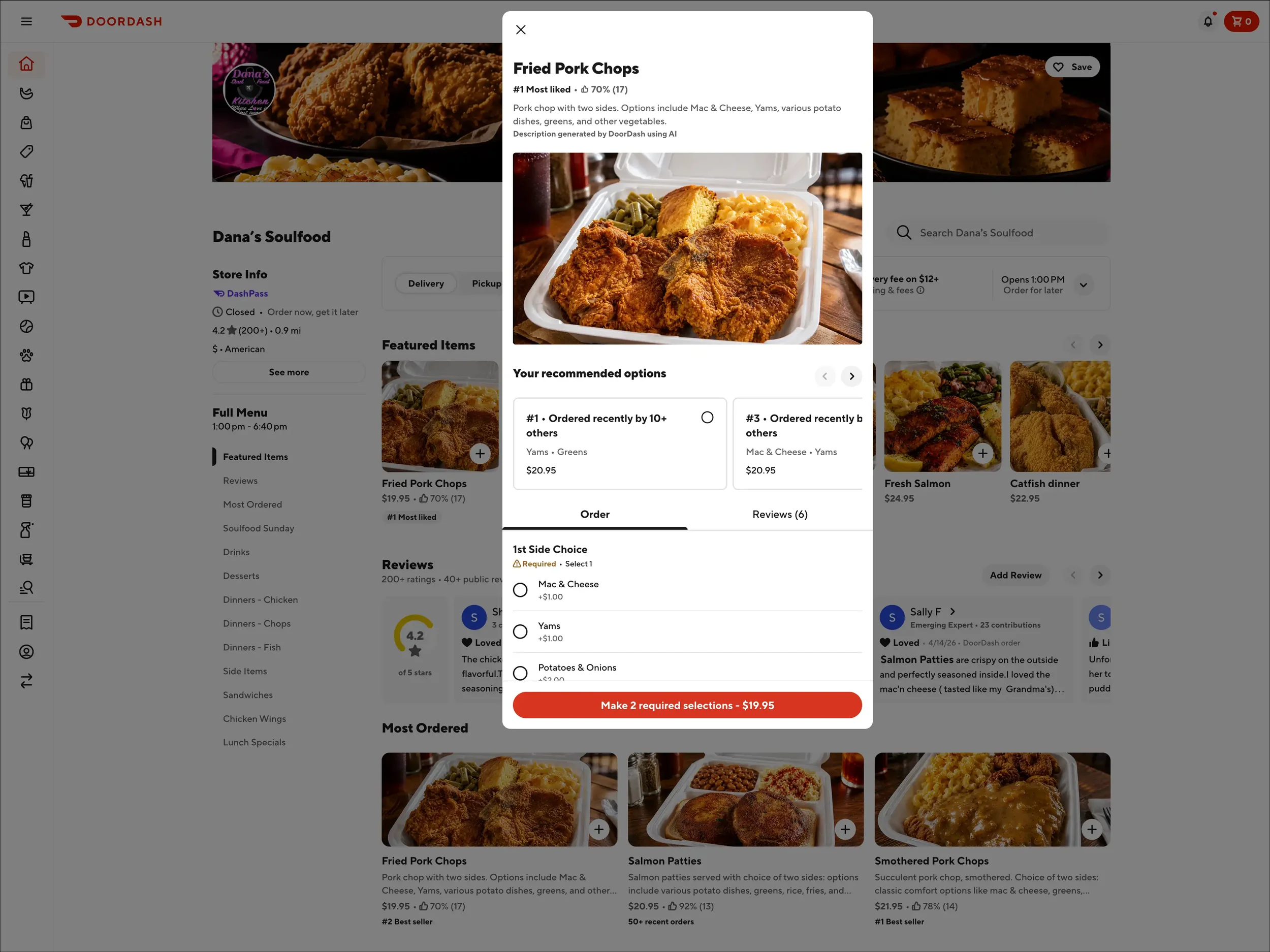
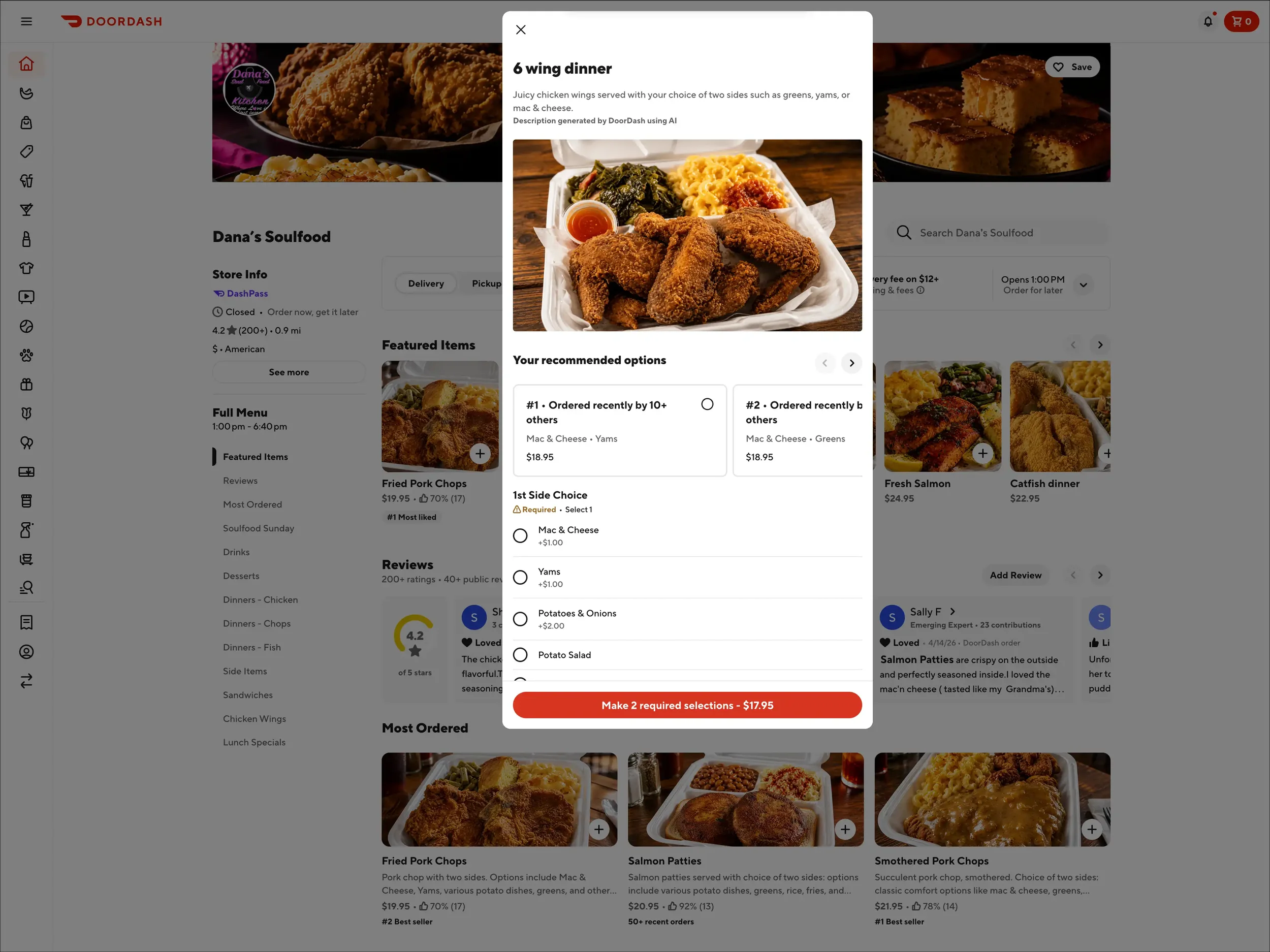
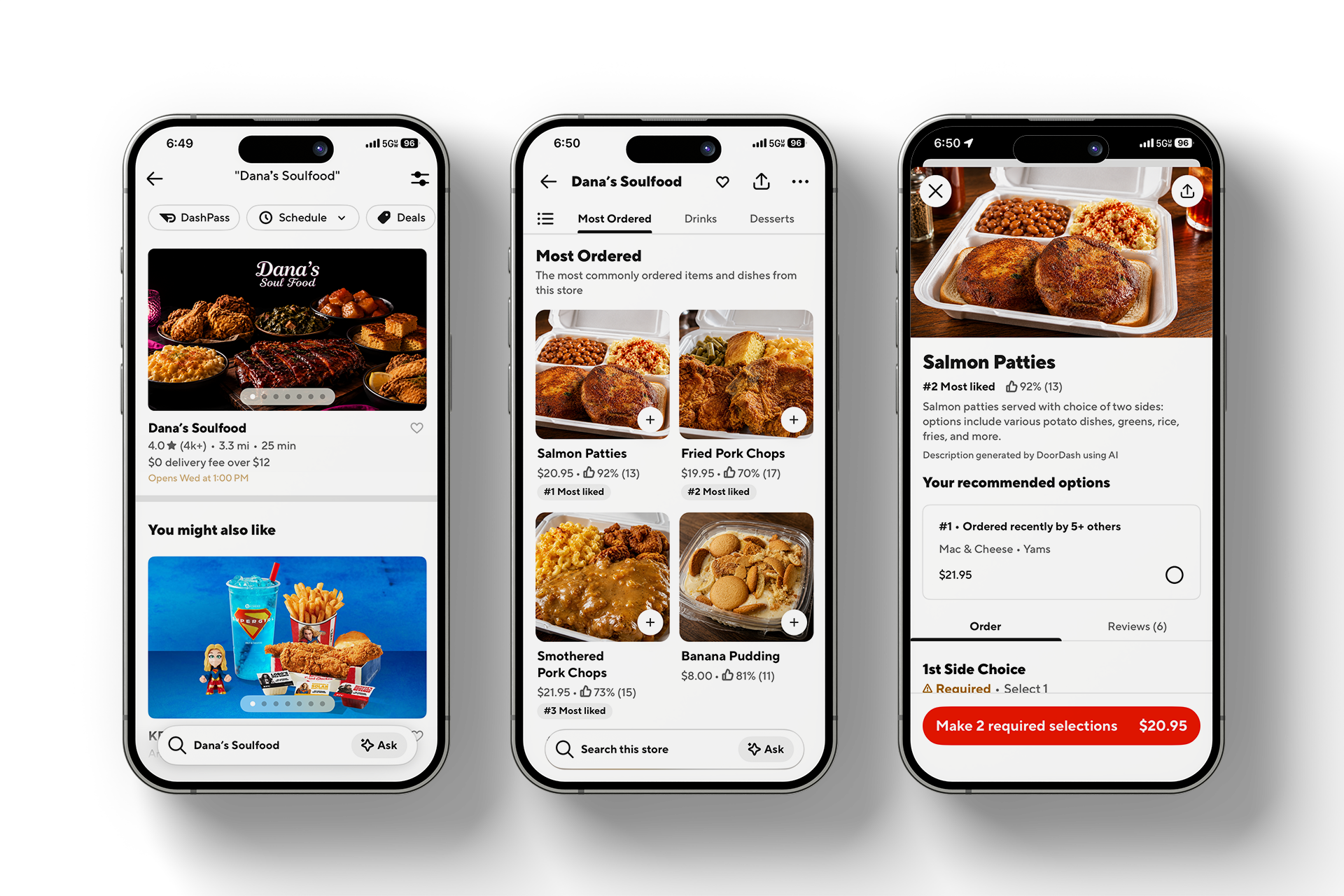
Here’s what the difference looks like on DoorDash.
I wanted you to see these images where your customers would actually see them. Not in a portfolio. Not as isolated examples. Right inside the delivery page where people are deciding what looks good and what they want to order.
The examples below show your existing DoorDash page with the new food images in place. The menu has not changed. The dishes have not changed. I simply gave the food a stronger visual presence and built the images specifically for the environment where they need to work.
YOUR food. Same menu. A much stronger first impression.
Food images rarely live in just one place anymore.
The same dish might appear on a delivery app, an online ordering page, a website, or somewhere else entirely, and each of those places handles images differently. When a photo was never created with that in mind, the food gets cropped awkwardly, important details disappear, or the image simply stops looking as good as it should.
I build the image with those different uses in mind from the beginning. The food has room to breathe, the important parts stay visible, and the image can move between the places you sell without becoming a new problem every time.
It is a small detail, but it saves a lot of headaches later. One well-built image can do a lot more work when it was made for the places it actually needs to go.
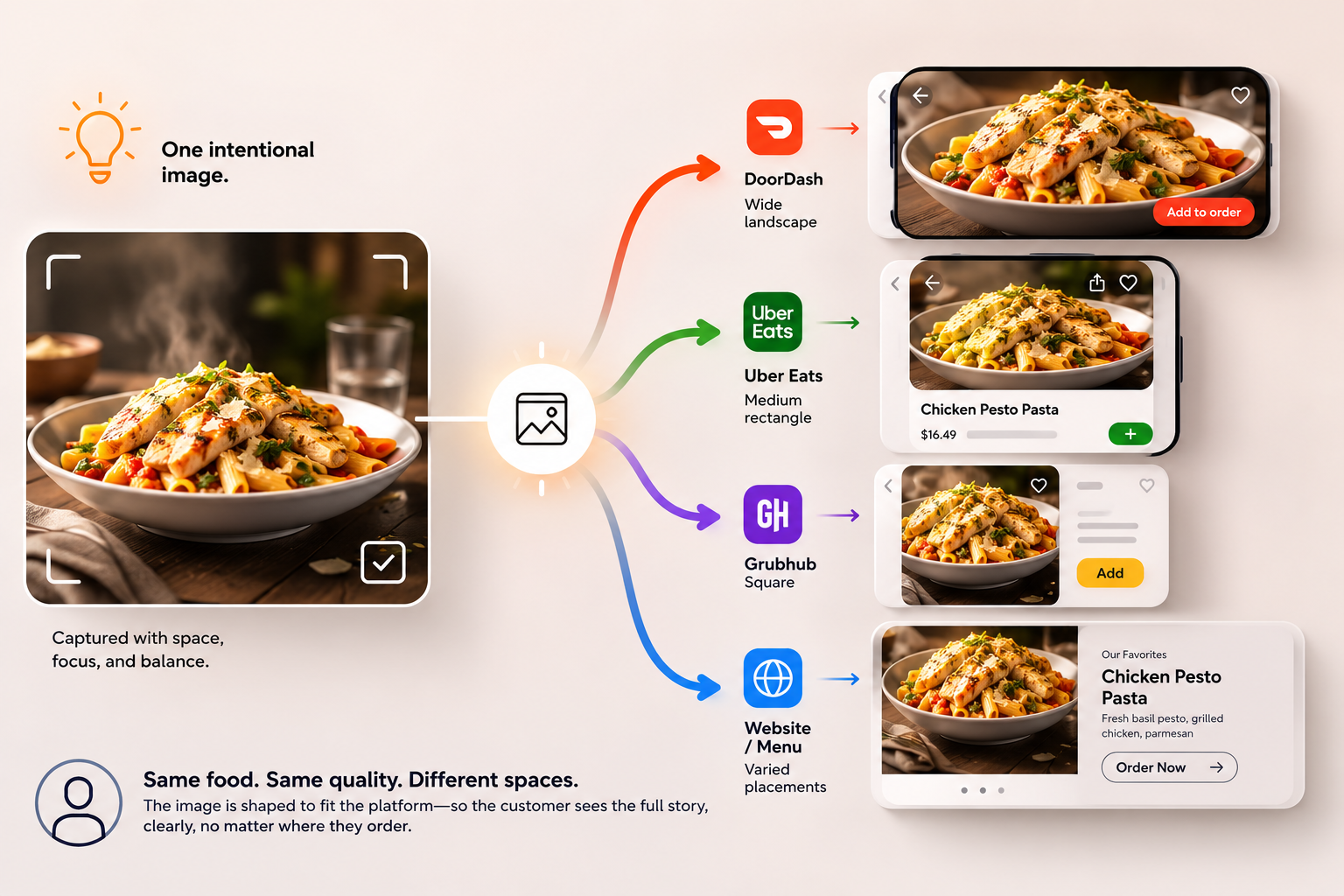
Downstream-First Imaging is a simple idea:
before I build an image, I think about everywhere it may eventually need to live. Delivery platforms, online ordering systems, websites, and other customer-facing spaces all treat images differently. Starting with those destinations in mind means the image is built to adapt from the beginning, rather than trying to repair, crop, and force it into place later. The result is one strong master image that can do its job across the different places you sell.
The goal is not to turn your food into something it isn’t.
In fact, that would defeat the entire purpose. I study the original image closely. The portions, ingredients, preparation, texture, packaging, and the small imperfections that make the food recognizable as yours. Then I rebuild the photograph around those details as if the dish had been prepared on its best day and photographed by someone who knew exactly what to look for.
That distinction matters. Fried food should still have rough, uneven crust. Sauces should settle and shine naturally. Bread should crack, compress, and leave crumbs. Portions should remain believable. Nothing should suddenly become luxury food, stock photography, or some imaginary version of the dish a customer could never actually receive.
What you see on the right is meant to feel like the same kitchen, the same recipe, and the same food—carefully prepared, properly lit, and photographed at exactly the right moment.
A better photograph of the truth. Not a beautiful photograph of a lie.
I protect what makes the dish yours.
I keep the ingredients, portions, preparation, and personality grounded in what you actually serve.
Texture, color, crust, moisture, and depth are often the difference between seeing food and actually wanting it.
The small details matter to me.
I light for appetite, not perfection.
The goal is to reveal crust, color, depth, and detail without polishing the life out of it.

I keep the food at the center of everything.
No unnecessary styling or distractions. The image exists to make the dish clear, recognizable, and impossible to overlook.
HOW IT WORKS
The entire process happens online. You do not need to schedule a photoshoot, prepare an entire menu at once, or set aside a day for production. I work from reference images of the food you already serve.

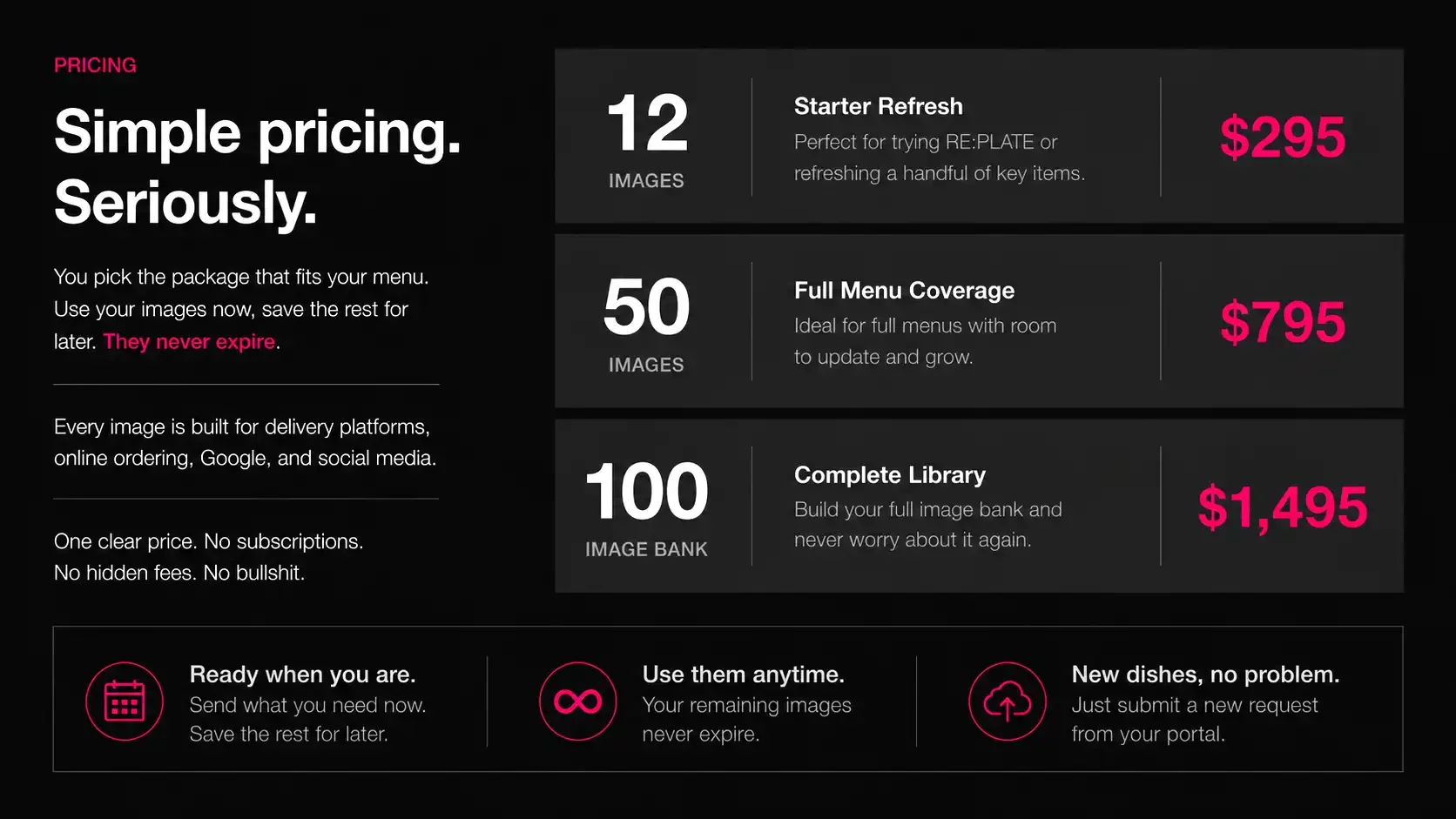
CHOOSE AN IMAGE PACKAGE
Select the package that fits the amount of work you need. Your package determines how many finished images are available to you. You do not need to use every image at once.

I CREATE YOUR NEW FOOD IMAGES
I work from the reference you provide, preserving the ingredients, portions, preparation, and recognizable details of the dish. Each finished image is built specifically for online ordering and delivery platforms. Standard requests are completed within 48 hours.

COMPLETE THE IMAGE UPLOAD
After purchase, you will receive access to a simple request form. You upload an existing photo and provide the basic information. The photo can come from your current delivery listing, your phone, or anywhere else.

YOUR IMAGES ARE ADDED TO YOUR PRIVATE PORTAL
Finished images are uploaded to a private RE:PLATE portal created for your business. From there, you can access your completed images, see the number of images remaining in your package, and submit another request whenever you need something new.
YOU DO NOT HAVE TO SEND YOUR ENTIRE MENU AT ONCE.
Use your images now, save some for future menu items, or submit new dishes as your menu changes. Your remaining image count stays available in your portal until you are ready to use it.
THE WORK ISN'T FINISHED UNTIL THE IMAGE IS RIGHT.
Ordering food images this way may be new to you, and there is an obvious question that comes with that: what happens if an image comes back and something just doesn't feel right?
Before any finished image is added to your library, you'll have a chance to review it. If a detail needs attention, the food doesn't look the way you expected, or the image simply isn't something you feel comfortable putting in front of your customers, I keep working on it.
You are not using up images in your package while I try to get something right. An image only counts once you have approved it and it has been added to your finished library.
There are no rounds to keep track of and no additional charge because an image needed more attention. I built RE:PLATE around finished images, not attempts at finished images.
YOU BOUGHT THE IMAGE. MAKING SURE IT'S RIGHT IS MY PART OF THE DEAL.
About RE:PLATE
My name is Joshua. I’ve spent most of my life making things and working with food in one way or another. I went to culinary school, worked as a chef, spent years behind bars and in restaurants, and eventually built a career in design and advertising. I’ve been doing some combination of those things for more than 25 years.
RE:PLATE came from noticing a very simple problem. A lot of really good restaurants are selling food online with photos that do not do the food justice. I also know what a full food photoshoot costs, how much planning goes into it, and why most small restaurants cannot justify doing another one every time the menu changes.
I realized I could help with that.
So that is what I do. You send me a photo of the food you actually serve, and I use my experience in food, design, and image production to create a better image of that dish for online ordering.
RE:PLATE is just me. There is no agency, sales team, or account manager. If you send something in, I am the person who looks at it. I am the person who does the work. And if you have a question, I am the person who answers it.
I built this because it is work I understand, work I enjoy, and something I genuinely think can help restaurants that deserve to present their food better without paying for another full photoshoot.